Behavioral Science Researcher

Researching how people make better food choices.

Carolina is a professor of marketing and researcher based in France, working at the intersection of consumer behavior, health-related decision-making, and evidence-based interventions for behavioral change.

Carol Werle Researcher in Consumer Psychology & Professor of Marketing at Grenoble Ecole de Management

01 / About

Researcher in Consumer Psychology &
Professor of Marketing

As a researcher in consumer psychology Carolina O.C. Werle investigates behavioral change strategies to promote well-being in the domains of food, physical activity, and financial decision-making. Her research investigates how psychological processes influence everyday consumer choices, with a particular focus on food consumption, self-control, lay beliefs, and public policy efficacy.

“Healthier food decisions are rarely just about information. They are shaped by context, design, and how much attention and mental effort consumers can devote to their choices.”


02 / Research

Research themes.

Communication & public health

01

Communication & public health

Exploring how messages, labels, Apps, norms and framing shape food-related behavior in everyday life.

Healthier decision environments​

02

Healthier decision environments

Designing evidence-based interventions that support more realistic and sustainable choices.

Healthy eating environments restaurant

03

Behavioral drivers of food choice

Understanding how habits, context, cues and daily environments influence the decisions people make around eating.

03 / Publications

Selected work.

Social Sciences and Medecine · 2026

Highlights

  • Dietitians and patients use domestic containers and units to define portion sizes.
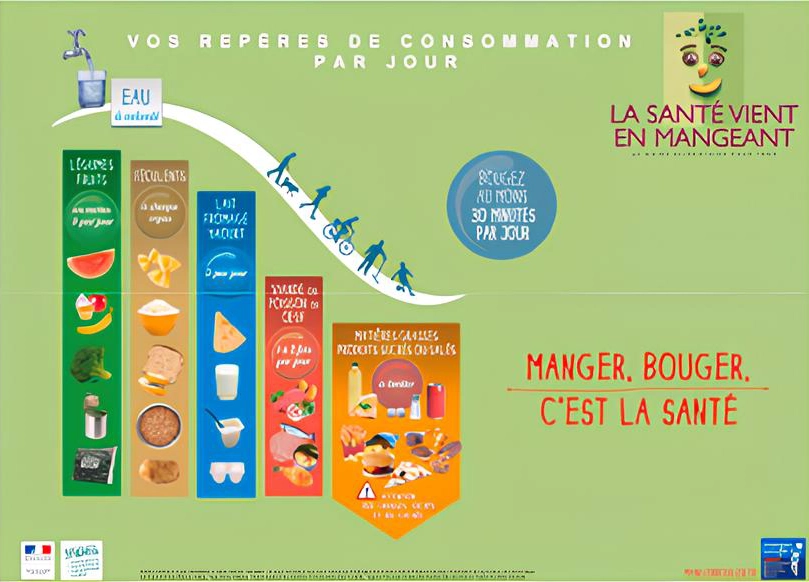
  • A cafeteria field experiment tests how dietary guideline designs affect intake.
  • A moderately fluent dietary guideline design reduces calories selected and consumed.
  • Effective dietary guidelines balance visual enrichment with low perceptual clutter.
  • Early dietitian and patient engagement enhances dietary guideline actionability.
Food Quality & Preference · 2026

Highlights

  • Edible tableware acceptance is driven by sensory quality, not environmental benefits.
  • Culinary experts point design, hygiene, and logistics as barriers to acceptance.
  • Consumers enjoy edible tableware, but acceptance depends on taste and hygiene.
  • Edible tableware environmental benefits are insufficient due to greenwashing concerns.

Speaking

Topics

  • Psychological bias influencing food choices.

  • Effectiveness of public policy campaigns to promote healthy eating.

  • Evidence-based interventions to promote well-being.

Collaboration

Open to

  • Research partnerships
  • Guest lectures
  • International projects

04 / Teaching

Teaching and public engagement.

Teaching

Senior-level academic instruction

Designing and evaluating interventions that shift consumer behaviour in food, physical activity and financial domains.

Public talks

Speaking beyond academia

Understanding how context, labels, norms and environment shape everyday food choices.

Applied work

Research with practical reach

Investigating how people’s intuitive theories about effort, reward and temptation influence their decisions.